
Sunscreen Effectiveness vs Real-World Usage
Awareness Is High, Consistent Use Is Not
Sunscreen is one of the most widely recommended skincare products across global health systems. Dermatologists, regulatory bodies, and public health organizations consistently highlight its role in protecting the skin from ultraviolet radiation. Over the years, awareness around sun damage, premature aging, and long-term risks such as skin cancer has increased significantly.
Despite this, sunscreen is still not used as a daily essential. It continues to be treated as a situational product, applied mainly during vacations, outdoor exposure, or peak summer conditions. On regular days, especially when the sun does not feel intense, sunscreen is often skipped.
This creates a fundamental gap in sunscreen effectiveness. Ultraviolet exposure is not limited to extreme conditions. It occurs daily and builds up over time. Without consistent application, even small exposures contribute to long-term damage.
Data reflects this clearly. In the United States, only 12.3% of men and 29.0% of women report using sunscreen consistently. This shows that awareness alone is not enough to drive behavior.
What Global Data Indicates
When global usage patterns are analyzed, the same trend appears across regions. Sunscreen is present in routines, but not in a way that ensures complete or continuous protection.
One of the most important indicators is the use of broad-spectrum sunscreen. Only about 35.8% of individuals use broad-spectrum formulations, which protect against both UVA and UVB radiation. This means that a large proportion of users are either unaware of or not prioritizing complete protection.
Daily usage is even more limited. Studies show that only around 9.9% of people apply sunscreen every day, despite being exposed to UV radiation consistently. This is critical because sunscreen effectiveness depends on regular application, not occasional use.
These figures highlight a key issue. Sunscreen adoption exists, but it lacks consistency and correctness. Without daily use and proper product selection, protection remains incomplete regardless of availability or awareness.
Sunscreen Use Is Inconsistent, Not Absent
Event-Based Rather Than Habit-Based Use
For most individuals, sunscreen use is tied to specific events rather than daily routines. It is commonly applied during vacations, beach outings, or extended outdoor activities where sun exposure is obvious. Outside of these situations, sunscreen is often not used at all.
This behavior overlooks how ultraviolet radiation actually works. UVA rays are present throughout the day and can penetrate clouds and glass. This means that even routine activities such as commuting, walking outdoors, or sitting near windows expose the skin to UV radiation.
Over time, this repeated low-level exposure contributes to long-term skin damage, including pigmentation, loss of elasticity, and premature aging. When sunscreen is used only during high-exposure events, it fails to address this cumulative impact.
Sunscreen effectiveness depends on habit formation. Without integrating sunscreen into a daily routine, protection remains inconsistent. Even high-quality products cannot compensate for irregular use.
What Studies Reveal
Behavioral studies show that sunscreen usage is strongly influenced by perception rather than actual exposure risk. Many individuals associate sun damage with visible brightness or heat, which leads to reduced usage on cloudy days or during short outdoor activities.
There is also a tendency to overestimate protection. Some users believe that applying sunscreen once is sufficient for the entire day, while others rely on makeup products with SPF, assuming they provide adequate coverage.
This creates a mismatch between perceived protection and actual exposure. Even when sunscreen is used, it is not used in a way that ensures continuous coverage.
These patterns highlight that sunscreen effectiveness is not limited by product performance alone. It is shaped by how users understand and apply it in everyday conditions.
Sunscreen Reapplication: The Hidden Gap in Protection
Correct Use Is Rare
Reapplication is one of the most critical factors in maintaining sunscreen effectiveness, yet it is widely overlooked. Sunscreen is not designed to provide all-day protection from a single application. Its effectiveness decreases over time due to sweat, friction, and degradation under UV exposure.
Dermatological guidelines recommend reapplying sunscreen every two hours during sun exposure. However, in practice, this step is rarely followed. Most individuals apply sunscreen once in the morning and do not reapply it throughout the day.
Another key issue is under-application. Most users apply significantly less sunscreen than required to achieve the labeled SPF protection. Since SPF testing is conducted under controlled conditions with a specific amount of product, applying less reduces actual protection.
Together, these factors create a gap between expected and real-world performance. Without proper application and reapplication, sunscreen effectiveness declines significantly.
What the Data Shows
Data clearly highlights the extent of this issue. Around 15.8% of individuals report that they never reapply sunscreen after the initial application. This means that for a significant portion of users, protection continuously decreases as the day progresses.
As sunscreen wears off, its ability to block UV radiation diminishes. This leaves the skin exposed during periods when users assume they are protected. Over time, this repeated loss of protection contributes to both immediate effects such as sunburn and long-term skin damage.
This gap between application and reapplication is one of the key reasons sunscreen effectiveness is often overestimated. It is not enough to apply sunscreen once. Maintaining protection requires consistent reapplication throughout the day.
Sunburn Rates Remain High Despite Sunscreen Availability
Evidence of Protection Failure
Sunburn remains one of the most visible indicators of inadequate sun protection. Despite increased awareness and widespread availability of sunscreen, sunburn rates continue to remain high across populations.
If sunscreen were used consistently and correctly, sunburn incidence would be significantly lower. However, the continued prevalence of sunburn suggests that there are gaps in how sunscreen is applied and understood.
Younger populations, particularly Gen Z, report higher rates of sunburn. This is often linked to longer exposure times combined with inconsistent sunscreen habits. However, this is not limited to a specific demographic. It reflects broader usage patterns across all age groups.
Sunburn highlights a critical issue. Sunscreen is being used, but not in a way that ensures effective protection. This reinforces the importance of proper usage alongside product availability.
What the Data Shows
Nearly 50% of Gen Z individuals report experiencing at least one sunburn within a year, despite having access to sunscreen and being aware of its importance.
This statistic clearly demonstrates that sunscreen use alone is not enough. Without proper application, reapplication, and understanding of SPF meaning, protection remains incomplete.
It also explains why many users question sunscreen effectiveness. The issue is not that sunscreen does not work. It is that it is not used in a way that allows it to deliver consistent results.
This gap between expectation and outcome is one of the key challenges in improving real-world sun protection.
SPF Meaning Explained: What SPF Actually Measures
What SPF Means in Sunscreen
SPF meaning is one of the most misunderstood aspects of sun protection. SPF, or Sun Protection Factor, measures how well a sunscreen protects against UVB radiation, which is responsible for causing sunburn.
For example, SPF 30 indicates that skin can tolerate 30 times more UVB exposure before burning under controlled conditions. However, these conditions do not reflect real-world usage, where factors such as application thickness and reapplication frequency vary.
Importantly, SPF does not measure protection against UVA radiation. UVA rays penetrate deeper into the skin and contribute to long-term damage such as aging, pigmentation, and loss of elasticity.
This distinction is critical. Many users assume that higher SPF provides complete protection, but SPF only represents UVB protection. Understanding SPF meaning helps clarify why sunscreen effectiveness depends on more than just SPF value.
UVA Protection: The Missing Half of the Story
UVA vs UVB Protection
UVA and UVB radiation affect the skin in different ways, but both contribute to damage. UVB rays cause visible effects such as sunburn, while UVA rays penetrate deeper and contribute to long-term changes such as wrinkles, pigmentation, and structural degradation.
Unlike UVB, UVA radiation is present throughout the day and is not significantly reduced by clouds. It can also pass through glass, meaning indoor exposure still contributes to skin damage.
Since SPF primarily measures UVB protection, relying only on SPF can result in incomplete protection. Broad-spectrum sunscreen is essential to ensure coverage against both UVA and UVB radiation.
Understanding the difference between UVA and UVB is key to improving sunscreen effectiveness in real-world conditions.
Regulatory Perspective
Regulatory bodies emphasize the importance of broad-spectrum protection in sunscreen formulations. Guidelines in regions such as the US and Europe require sunscreens to meet specific criteria for UVA protection alongside UVB.
However, consumer awareness of these distinctions remains limited. Many users focus primarily on SPF values without considering whether the product provides adequate UVA coverage.
This creates a gap between regulatory standards and user behavior. Even when effective products are available, they may not be used correctly due to lack of understanding.
Improving awareness around UVA protection is essential for closing this gap and enhancing overall sunscreen effectiveness.
The Market Is Growing, But Behavior Isn’t Improving
Growth of the Sunscreen Market
The global sunscreen market has experienced significant growth in recent years, driven by increasing awareness, product innovation, and expanding skincare routines. It is projected to exceed $20 billion globally, reflecting strong demand across regions.
New formulations have improved usability, offering lighter textures, better spreadability, and enhanced cosmetic appeal. These advancements have made sunscreen more accessible and appealing to a broader audience.
However, this growth has not translated into improved usage behavior. Despite increased availability and product innovation, sunscreen is still not used consistently or correctly by most consumers.
This highlights a disconnect between market expansion and real-world effectiveness. Product availability alone cannot improve protection if usage habits remain unchanged.
Mineral Sunscreen Trends and Consumer Shift
Increasing Preference for Mineral Sunscreen
There is a growing shift toward mineral sunscreen formulations, particularly those containing zinc oxide. This trend is driven by increasing awareness of ingredient safety, skin sensitivity, and environmental considerations.
Mineral sunscreens provide broad-spectrum protection and begin working immediately upon application. Zinc oxide, in particular, is known for its stability under UV exposure, making it a reliable option for consistent protection.
Consumers are increasingly choosing mineral sunscreen due to its perceived safety and effectiveness. This shift reflects a broader movement toward formulations that align with both performance and skin compatibility.
As demand for mineral sunscreen grows, formulation advancements are improving transparency and usability, further supporting adoption.
Why Real Protection Fails: Beyond the Numbers
Combined Gaps in Protection
Sunscreen effectiveness is influenced by multiple overlapping factors rather than a single issue. Inconsistent usage, lack of reapplication, misunderstanding of SPF meaning, and limited awareness of UVA protection all contribute to reduced effectiveness.
These factors do not operate independently. Instead, they combine to create a cumulative gap in protection. For example, even if a user selects a high-SPF product, under-application and lack of reapplication can significantly reduce its effectiveness.
Similarly, focusing only on SPF without considering UVA protection leaves the skin vulnerable to long-term damage.
Addressing sunscreen effectiveness requires a comprehensive approach that considers both product performance and user behavior. Without aligning these factors, protection remains incomplete.
The Role of Zinc Oxide in Real-World Protection
Functional Benefits of Zinc Oxide
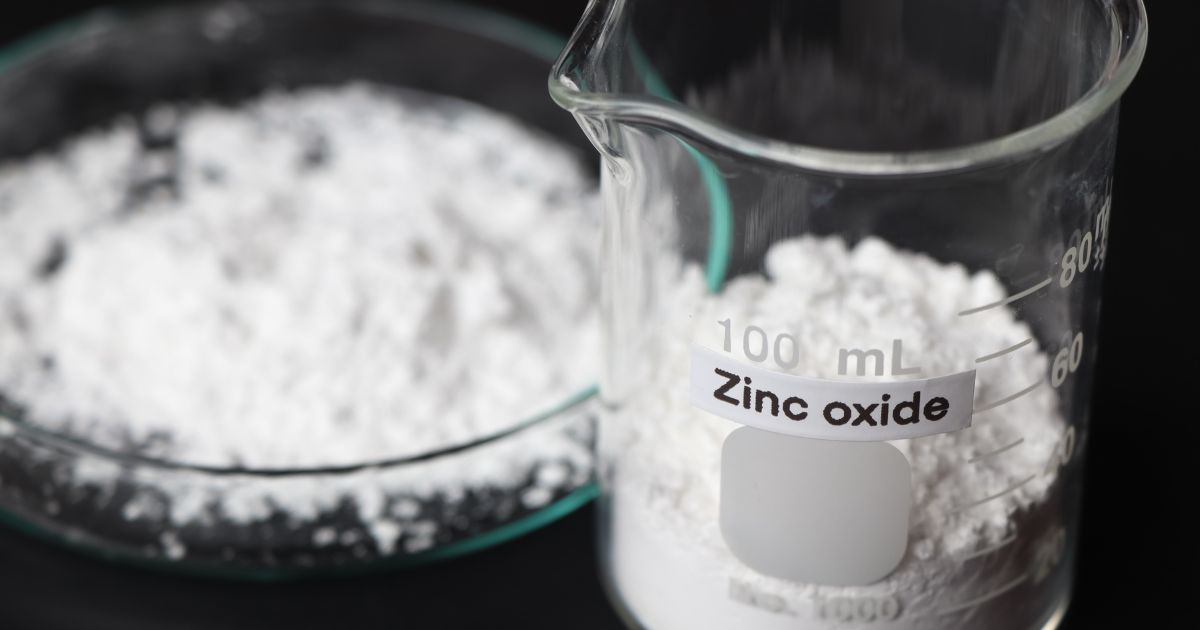
Zinc oxide is one of the most reliable ingredients used in sunscreen formulations. It provides true broad-spectrum protection by covering both UVA and UVB radiation. This makes it highly effective for real-world conditions where complete coverage is essential.
It is also photostable, meaning it does not degrade easily under UV exposure. Unlike some chemical filters, zinc oxide maintains its effectiveness over time, providing consistent protection throughout exposure periods.
Another key advantage is that it works immediately upon application. This eliminates the need for waiting periods, making it more practical for daily use.
These properties make zinc oxide a strong foundation for improving sunscreen effectiveness.
Formulation Considerations
While zinc oxide is highly effective, its performance depends on formulation quality. Factors such as particle size distribution, surface treatment, and dispersion stability influence how well it performs on the skin.
Poorly formulated products may result in uneven coverage or reduced protection. On the other hand, well-engineered formulations ensure uniform film formation, improved spreadability, and consistent performance.
Advancements in dispersion technology and surface treatments have significantly improved the usability of zinc oxide, reducing issues such as whitening while maintaining protection.
These formulation improvements play a critical role in translating ingredient performance into real-world sunscreen effectiveness.
What the Data Ultimately Reveals
When global data is considered collectively, a clear pattern emerges. Sunscreen is widely available and recognized, but it is not used in a way that ensures consistent protection.
Only a small percentage of individuals use sunscreen daily, and many rely on occasional application. This approach does not address continuous UV exposure.
There is also a widespread misunderstanding of SPF meaning, leading to overreliance on SPF values without considering UVA protection. This creates a false sense of security.
The gap between product capability and user behavior remains the most significant challenge. Improving sunscreen effectiveness requires addressing both aspects simultaneously.
Where Sunscreen Innovation Needs to Go
Improving sunscreen effectiveness requires a dual approach that focuses on both formulation innovation and behavioral change. On the formulation side, there is a need for products that are easier to use daily. This includes lighter textures, improved spreadability, and formulations that integrate seamlessly into routines.
On the behavioral side, education plays a critical role. Users need to understand SPF meaning, the importance of reapplication, and the need for broad-spectrum protection.
Future innovation will focus on bridging the gap between laboratory performance and real-world use. This means designing products that align with actual usage patterns while also improving consumer understanding.
Only by addressing both factors can sunscreen effectiveness be significantly improved.
Final Thought
Sunscreen remains one of the most effective tools for protecting the skin, but its performance depends on how it is used. SPF meaning alone does not define protection. Without consistent application and proper reapplication, sunscreen cannot deliver reliable results.
Global data shows that awareness is high, but protection is still incomplete. The gap lies in usage behavior, not product availability.
Closing this gap requires better formulations, improved education, and stronger daily habits. Only then can sunscreen deliver the level of protection it is designed to provide.
________________________________________________________________________________________________________________________
Frequently Asked Questions (FAQs)
What does SPF mean in sunscreen?
SPF stands for Sun Protection Factor and measures how well a sunscreen protects against UVB rays, which cause sunburn. It does not measure protection against UVA rays, which contribute to long-term skin damage such as aging and pigmentation.
Does a higher SPF mean better protection?
Higher SPF provides slightly more protection against UVB rays, but the difference is not as large as many people assume. Proper application and regular reapplication are more important than choosing a very high SPF alone.
Why is sunscreen effectiveness lower in real-world use?
Sunscreen effectiveness drops in real-world conditions due to inconsistent use, under-application, and lack of reapplication. Many users also misunderstand SPF meaning and do not account for UVA protection.
How often should sunscreen be reapplied?
Sunscreen should be reapplied every two hours during sun exposure, or more frequently if sweating or swimming. Reapplication is essential because sunscreen effectiveness decreases over time.
Does sunscreen protect against both UVA and UVB rays?
Not all sunscreens provide full protection. Only broad-spectrum sunscreen protects against both UVA and UVB radiation. SPF values indicate UVB protection only.
Why do people still get sunburn even after using sunscreen?
Sunburn can occur due to insufficient application, skipped reapplication, or uneven coverage. In many cases, users rely on SPF alone without maintaining consistent protection throughout the day.
Is daily sunscreen use necessary?
Yes. Ultraviolet exposure occurs daily, even on cloudy days or indoors near windows. Daily sunscreen use is important for preventing cumulative skin damage over time.
What is the role of zinc oxide in sunscreen?
Zinc oxide is a mineral filter that provides broad-spectrum protection against both UVA and UVB rays. It is photostable and begins working immediately upon application, making it reliable for real-world use.
Why is broad-spectrum protection important?
Broad-spectrum protection ensures coverage against both UVA and UVB radiation. Without UVA protection, sunscreen may prevent sunburn but still allow long-term skin damage.
What is the biggest gap in sunscreen usage today?
The biggest gap is not availability but behavior. While sunscreen is widely used, it is not