


Zinc Oxide Ointment vs Cream: What’s the Real Difference
Why Zinc Oxide Ointment and Cream Are Widely Used in Skin Protection Products
Zinc oxide has been used in skin protection products for decades. It is one of the most trusted mineral ingredients in dermatology and skincare. Formulators rely on it because it is stable, gentle on the skin, and effective at protecting damaged or irritated skin.
Many topical ingredients work by interacting with the skin’s biology. Zinc oxide works differently. It mainly acts at the surface of the skin. When applied, zinc oxide particles form a thin protective layer. This layer shields the skin from irritants, friction, and moisture.
This protective effect is especially useful when the skin barrier has already been weakened. Irritation, inflammation, or environmental stress can damage the outer layer of the skin. Zinc oxide helps protect that weakened barrier while the skin repairs itself.
Zinc oxide also provides additional benefits. Studies show that it has mild antimicrobial and anti-inflammatory properties. These properties help calm irritated skin and reduce redness. Because of this, zinc oxide often appears in products designed for sensitive or damaged skin in the form of zinc oxide ointment.
Researchers in dermatology have studied zinc oxide for many years. These studies repeatedly show that zinc oxide helps soothe skin and protect it from further irritation. This explains why it remains such a widely used ingredient in topical skin products.
Because of these properties, zinc oxide appears in many different formulations, including:
- skin protectants
- dermatological ointments
- barrier creams
Among these products, two formats appear most often in dermatological skin protection systems: zinc oxide ointments and zinc oxide creams.
Both products use the same mineral ingredient. However, their formulation structures are very different. These differences strongly affect how the product behaves on the skin.
Understanding those differences helps formulators choose the right system for the right application.
What Is a Zinc Oxide Ointment
Formulation Structure of Zinc Oxide Ointments
A zinc oxide ointment is usually made with an anhydrous base. This means the formulation contains little or no water. Instead, the base consists mostly of oils, waxes, or other occlusive ingredients.
In this type of formulation, zinc oxide particles remain dispersed inside a hydrophobic matrix.
Common ingredients used in ointment bases include:
- petrolatum
- mineral oil
- waxes
- lanolin derivatives
- heavy emollients
These ingredients create a dense semi-solid structure. That structure helps hold zinc oxide particles evenly throughout the formulation.
Zinc oxide itself is an insoluble mineral compound. It does not dissolve in oil or water. Instead, the particles remain suspended inside the base.
Because of this, good dispersion becomes very important. If the particles are not evenly dispersed, the product may not form a consistent protective layer when applied to the skin.
Another important feature of ointments is the absence of water. Without water in the system, the formulation becomes more stable and more resistant to evaporation.
This also contributes to the strong barrier effect that ointments are known for.
Occlusive Barrier Mechanism
One of the most important characteristics of zinc oxide ointments is their strong occlusive effect.
The oil-rich base spreads across the surface of the skin and forms a protective film. This film blocks irritants and protects the skin from external exposure.
It also reduces transepidermal water loss (TEWL). TEWL increases when the skin barrier becomes damaged. When water escapes from the skin too quickly, dryness and irritation can worsen.
The occlusive layer created by the ointment slows this water loss. It helps the outer layers of the skin remain hydrated. Hydrated skin repairs itself more effectively.
Because of this, ointments are often used when the skin needs strong and long-lasting protection.
The thick base allows the product to stay on the skin longer than lighter formulations. This extended contact time improves the protective effect.
Medical Applications of Zinc Oxide Ointments
Because of their protective barrier properties, zinc oxide ointments are widely used in dermatological and pharmaceutical products.
Their thick consistency allows them to remain on the skin for extended periods. This makes them suitable for situations where the skin requires ongoing protection.
Typical uses include:
- protecting irritated or inflamed skin
- shielding damaged skin surfaces
- supporting skin recovery after dermatological procedures
- protecting minor wounds or abrasions
Dermatology literature often describes zinc oxide ointments as topical skin protectants. These products help shield compromised skin from further irritation or environmental stress.
For this reason, ointments are commonly used in situations where the skin barrier needs maximum protection.
What Is a Zinc Oxide Cream
Emulsion Structure of Zinc Oxide Creams
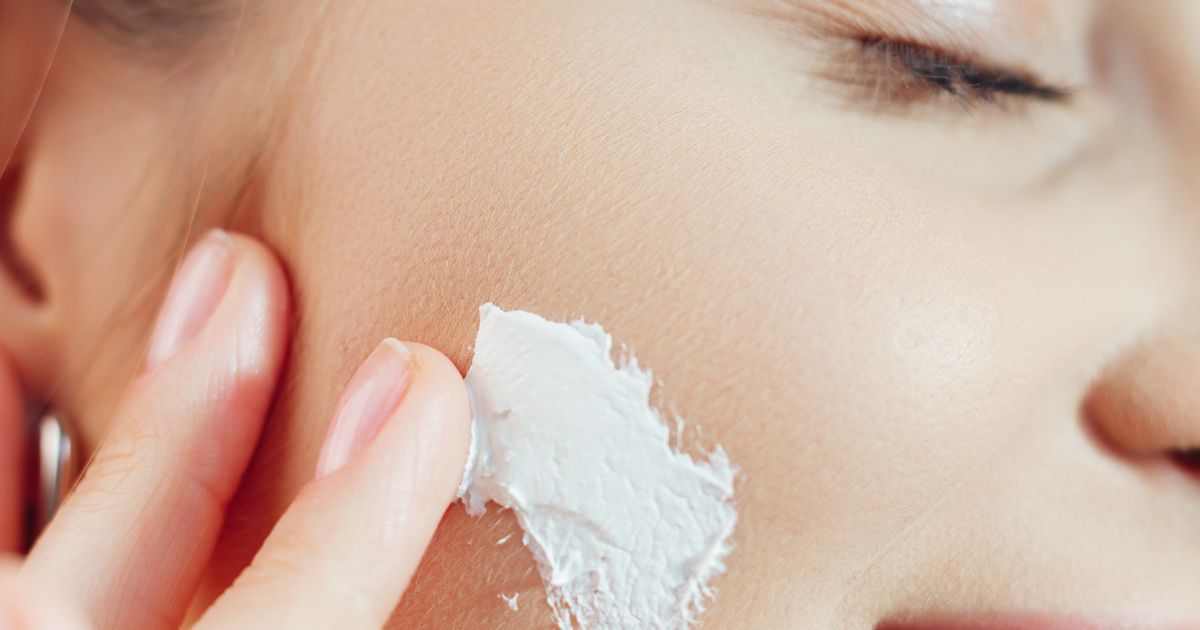
A zinc oxide cream differs from an ointment mainly in how it is formulated.
Creams typically use an emulsion system that contains both oil and water phases.
Most zinc oxide creams are formulated as oil-in-water (O/W) emulsions. In this system, small droplets of oil are dispersed throughout a continuous water phase.
The zinc oxide particles are usually dispersed within the oil phase. Emulsifiers help stabilize the system and prevent the oil and water phases from separating.
Because creams contain water, their texture becomes much lighter than ointments. They spread more easily and feel less greasy when applied to the skin.
This difference in formulation structure changes how the product behaves during application.
When the cream is applied, the water phase begins to evaporate. The remaining ingredients then form a thin protective layer on the skin.
This layer still provides protection, but it is typically less occlusive than the barrier formed by an ointment.
Sensory and Cosmetic Properties
The presence of water strongly influences how zinc oxide creams feel on the skin.
Compared with ointments, creams usually provide a more pleasant sensory experience.
Common sensory characteristics include:
- lighter texture
- smoother spreading
- easier application
- reduced greasiness
These qualities make creams more comfortable for everyday use. Many consumers prefer creams because they absorb more easily and leave less residue.
This improved cosmetic feel makes creams suitable for products that people apply frequently throughout the day.
However, the lighter texture also means the barrier effect may be slightly weaker than that of ointments.
Skincare Applications of Zinc Oxide Creams
Zinc oxide creams appear in many skincare and dermatological products designed to protect sensitive skin.
Typical applications include:
- barrier creams for sensitive skin
- soothing creams for mild irritation
- protective creams used after dermatological treatments
- everyday protective skincare products
Because creams combine protection with comfort, they work well in products designed for regular daily use.
They offer a balance between protective function and cosmetic elegance.
Zinc Oxide Ointment vs Zinc Oxide Cream: Key Formulation Differences
Although both formulations contain zinc oxide as the active ingredient, their performance differs because of the formulation base.
The most important difference is the presence of water.
Ointments contain little or no water. Their bases consist mainly of oils and waxes.
Creams, on the other hand, contain both oil and water phases in an emulsion structure.
This structural difference leads to several practical differences.
- Texture and consistency
Zinc oxide ointments are thicker and heavier. Zinc oxide creams are softer and easier to spread.
- Barrier strength
Ointments create stronger occlusive layers because their oil-rich bases resist moisture exposure.
- Cosmetic feel
Creams feel lighter and less greasy, which makes them more suitable for routine skincare.
- Application context
Ointments are often chosen when strong barrier protection is required. Creams are usually preferred when comfort and spreadability matter more.
These differences show how the formulation system surrounding zinc oxide determines how the product performs on the skin.
Particle Dispersion and Stability in Zinc Oxide Formulations
No matter which system is used, the effectiveness of a zinc oxide product depends heavily on how well the zinc oxide particles are dispersed.
Zinc oxide is an insoluble mineral material. Because it does not dissolve, the particles must remain evenly distributed throughout the formulation.
If dispersion is poor, several problems can occur.
These may include:
- particle aggregation
- uneven barrier coverage
- gritty texture
- instability or sedimentation
To prevent these issues, formulators must carefully control several factors.
These include:
- particle size distribution
- wetting behavior
- formulation viscosity
In ointment systems, the high viscosity of the base helps suspend the particles and maintain stability.
In cream systems, stabilization becomes more complex because the particles must remain evenly dispersed within a two-phase emulsion system.
This is why dispersion technology and particle engineering play such an important role in zinc oxide formulation.
When dispersion is properly controlled, zinc oxide forms a continuous and uniform protective layer on the skin.
This uniform layer is essential for consistent barrier performance.
How Formulators Decide Between Zinc Oxide Ointments and Creams
Choosing between a zinc oxide ointment and a zinc oxide cream depends on the intended purpose of the product.
Formulators consider several factors before selecting a formulation system.
Ointments are usually chosen when the goal is maximum protection and long-lasting barrier performance.
Creams are often preferred when the product needs to provide protection while also offering a lighter, more comfortable texture.
Other considerations may include:
- desired product viscosity
- frequency of application
- the condition of the skin being treated
- consumer preferences
By adjusting the formulation base, dispersion system, and rheology, product developers can design zinc oxide products that deliver the right balance between protection, stability, and usability.
Choosing Between Zinc Oxide Ointment and Zinc Oxide Cream
Although zinc oxide ointments and zinc oxide creams contain the same mineral ingredient, their formulation structures create very different performance characteristics.
Ointments rely on oil-rich bases that create durable occlusive barriers. This makes them particularly useful when the skin needs strong and long-lasting protection.
Creams rely on emulsion systems that provide lighter textures and improved spreadability. They still offer protective benefits but in a more cosmetically comfortable format.
Beyond the formulation base itself, factors such as particle dispersion, rheology, and ingredient compatibility also influence how well zinc oxide performs in a product.
Understanding these formulation differences helps developers choose the most appropriate system when designing zinc oxide products.
When the formulation is designed correctly, zinc oxide can provide a reliable balance between skin protection, stability, and user comfort.
___________________________________________________________________________________________________________________
Frequently Asked Questions
What is the difference between zinc oxide ointment and zinc oxide cream?
The main difference lies in the formulation base. Zinc oxide ointments usually contain an oil-rich or anhydrous base with little or no water. This creates a thick, occlusive barrier on the skin. Zinc oxide creams, on the other hand, are typically oil-in-water emulsions that contain both oil and water phases. Because of this structure, creams feel lighter and spread more easily on the skin.
Which provides stronger protection: zinc oxide ointment or zinc oxide cream?
Zinc oxide ointments usually provide stronger barrier protection. Their oil-based formulation creates a more occlusive layer on the skin. This helps shield damaged or irritated skin from moisture and external irritants. Zinc oxide creams still provide protection but tend to form a thinner barrier because of their emulsion structure.
Why is zinc oxide widely used in skin protection products?
Zinc oxide is widely used because it is stable, gentle, and effective at protecting the skin. When applied to the skin, zinc oxide particles form a protective film that shields the epidermis from irritants, friction, and moisture. It also has mild anti-inflammatory and antimicrobial properties, which help calm irritated skin.
Is zinc oxide safe for sensitive skin?
Yes. Zinc oxide is generally considered safe and well tolerated, even for sensitive skin. It is non-reactive and does not easily penetrate deep into the skin. Because of its gentle nature, zinc oxide is commonly used in products designed for sensitive or compromised skin.
Why is particle dispersion important in zinc oxide formulations?
Zinc oxide is an insoluble mineral, so the particles must remain evenly dispersed in the formulation. Poor dispersion can lead to particle aggregation, gritty texture, or uneven coverage on the skin. Proper dispersion ensures that zinc oxide forms a uniform protective layer, which improves the overall performance of the product.
When do formulators choose zinc oxide creams instead of ointments?
Formulators often choose zinc oxide creams when they want to combine skin protection with better cosmetic feel. Creams spread easily, feel lighter, and are more comfortable for frequent application. This makes them suitable for everyday skincare products and protective creams.
Do zinc oxide creams and ointments use the same active ingredient?
Yes. Both zinc oxide creams and zinc oxide ointments contain zinc oxide as the active ingredient. The difference lies in the formulation base surrounding the mineral particles. The base determines how the product feels, spreads, and protects the skin.